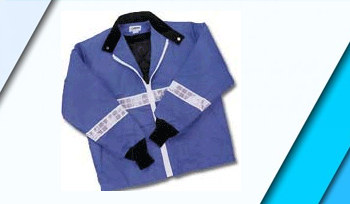
Coveralls With Reflector - Cotton
100% cotton hi-vis coveralls with retroreflective tape on arms and legs. Two-way brass or nylon industrial zip, flap chest pockets, elasticised back, adjustable cuffs and ankles.
View product ›Industrial coveralls, flame retardant protective clothing, workwear jackets, safety helmets and safety footwear manufactured in Mumbai and shipped to Nigeria. Sea transit to Apapa Port, Lagos runs 18 - 25 days. Manufacturing and exporting since 2000, ISO 9001:2015 certified.
Nigeria is the largest industrial workwear market in West Africa, and the demand is concentrated where the hydrocarbons are. The Niger Delta upstream sector, the Onne oil and gas free zone, and the refinery and petrochemical complex at Lekki between them put very large numbers of workers into flame retardant coveralls. Alongside that sits a construction, cement and power sector buying standard hi-vis workwear in high volume. Sanctum Work Wear manufactures in Mumbai and ships to Apapa, Tin Can Island and Onne.
Nigeria rewards suppliers who understand the paperwork before they quote. A consignment cannot clear without a Form M raised before shipment and a SONCAP certificate issued pre-shipment, and cargo that arrives without them incurs penalties or is refused. We prepare the manufacturer-side documentation to fit that sequence, and we will tell you at quotation stage what your side of the file needs to contain rather than leaving it to be discovered at the port.
Indicative sea transit times from Nhava Sheva (JNPT), Mumbai. Production time sits ahead of transit and depends on order quantity, fabric and whether embroidery or custom colourways are required.
| Destination | Sea transit | Notes |
|---|---|---|
| Apapa Port, Lagos | 18 - 25 days | Nigeria's principal container gateway. |
| Tin Can Island, Lagos | 18 - 25 days | Second Lagos terminal, often less congested. |
| Onne Port, Rivers State | 20 - 27 days | Oil and gas free zone terminal serving the Niger Delta. |
| Air freight (LOS / PHC) | 2 - 4 days | For size sets, approvals and urgent project replenishment. |
Import registration is completed by your Nigeria-registered consignee. We supply the manufacturer-side documentation that registration depends on.
Niger Delta operations run by NNPC and international operators, together with the drilling, fabrication and maintenance contractors around Port Harcourt and Warri. The main source of flame retardant coverall demand.
The Lekki refinery and petrochemical complex, plus the state refineries, where hot work and hydrocarbon exposure make FR clothing standard issue.
The Onne Oil and Gas Free Zone and Lekki Free Zone, where service companies and fabrication yards kit out large rotating workforces.
Large domestic cement and steel producers running plants across the country, an abrasion and dust environment favouring cotton coveralls and steel toe footwear.
Generation and distribution assets and the transmission network, typically specifying FR or arc-rated outerwear.
Sustained building and road programmes in Lagos and Abuja, driving the largest unit volumes of hi-vis coveralls, helmets and safety shoes.
All garments are manufactured to customer specification. Standard colourways are navy blue, petrol blue, light blue, white, orange, grey, red, yellow and khaki, in sizes XS to 6XL, with logo embroidery and custom reflective tape configuration available.
100% cotton hi-vis coveralls with retroreflective tape on arms and legs. Two-way brass or nylon industrial zip, flap chest pockets, elasticised back, adjustable cuffs and ankles.
View product ›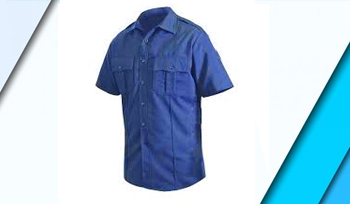
Polyester and poly-cotton coveralls for lighter-duty and high-wash-cycle use. Faster drying and more abrasion tolerant than pure cotton in dusty site conditions.
View product ›Inherent and treated flame retardant coveralls for petrochemical, refinery, utility and firefighting duty. Available in Pyrovatex-finish and inherent FR fabric constructions.
View product ›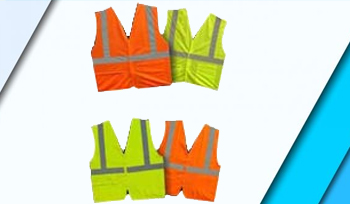
Industrial jackets and bodywarmers built for layering over coveralls in air-conditioned plant rooms, cold stores and night-shift outdoor work.
View product ›FR outer jackets matched to our FR coverall fabrics so an entire crew can be specified from one certification family.
View product ›Standard hi-vis jackets and safety vests for logistics, warehousing, ports and general construction where FR is not specified.
View product ›Work shirts and trousers in cotton and poly-cotton, supplied with two-colour and logo embroidery options for company uniform programmes.
View product ›
Tough polyethylene shell helmets with adjustable harness, chin strap and accessory slots for visor and ear-muff mounting.
View product ›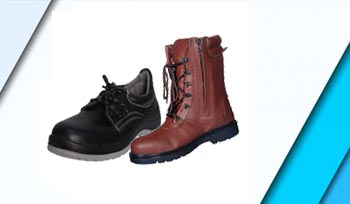
Steel toe and composite toe safety footwear, including heat-resistant sole options for foundry and hot-work environments.
View product ›Scrub suits, lab coats and hospital uniforms for hospital and clinic procurement programmes, in institutional colourways.
View product ›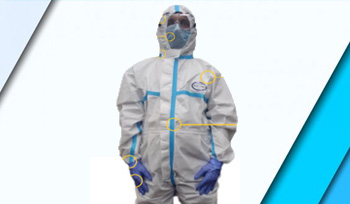
Barrier PPE kits tested for synthetic blood penetration to ISO 16603 / ASTM F1670, achieving class 3 to class 6 results.
View product ›SONCAP is the Standards Organisation of Nigeria Conformity Assessment Programme. A Product Certificate is issued against the registered product and a SONCAP Certificate is then issued for each individual shipment before it sails. The certification is arranged by the Nigerian importer through an appointed agency, and we supply the manufacturer-side documentation it depends on, including our ISO 9001:2015 certificate, EN ISO 11612 and EN ISO 11611 fabric certificates and mill test reports for the lot.
No, and this is the single most common and most expensive mistake on Nigerian imports. Both the Form M and the SONCAP certificate must be in place before the vessel sails. Cargo arriving without them faces penalties, extended demurrage or outright refusal. We build our production and despatch schedule around that sequence and will confirm the timeline with you before we commit to a shipping date.
Yes. Our FR garments are made from fabrics certified to EN ISO 11612 and EN ISO 11611, and the fabric certificates and mill test reports for the lot supplied accompany the consignment. Where an operator or EPC contractor names a specific standard in the tender, send us the clause and we will confirm in writing which of our certified fabrics can be supplied against it.
Sea freight from Nhava Sheva to Apapa or Tin Can Island typically runs eighteen to twenty-five days in transit, and Onne twenty to twenty-seven. Port congestion in Lagos can add to that, so we recommend building float into project timelines rather than working to the shortest quoted transit. Air freight into Lagos or Port Harcourt is available for size sets and urgent replenishment.
For first orders we normally work against an irrevocable letter of credit or advance payment, which also fits the Form M process since the Form M is raised through your bank. Terms can be reviewed once a trading relationship is established. We would rather agree workable terms openly at the outset than quote attractively and renegotiate later.
Send us your garment specification, quantity and size breakdown and we will come back with pricing, lead time and the documentation pack for your consignment.